Source Single Foam Mattress for Hotel, Home, and School Use
Explore 30 single foam mattress options from Chinese manufacturers. Compare features like bamboo fiber covers, memory foam density, and customizable sizes for hotel, home, and school applications. Find suitable suppliers for bulk orders; compare the available evidence and request quotations based on your requirements.
Key considerations
Products List


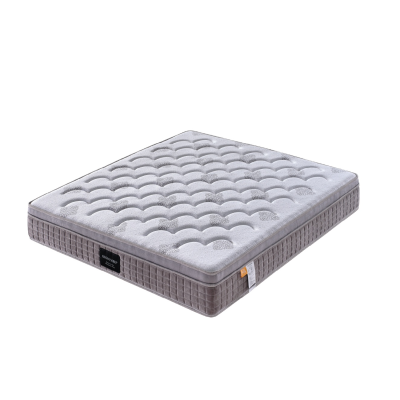


Comprehensive Sourcing Guide
Single Foam Mattress Sourcing Guide
Procuring a single foam mattress requires careful attention to the specific density and material composition that define comfort and longevity. Buyers must distinguish between standard polyurethane foam and memory foam variants, as the latter offers superior pressure relief but may retain heat differently. The observed market data indicates a prevalence of memory foam products with densities around 50d, which suggests a balance between softness and structural support suitable for single sleepers. Understanding these material distinctions is the first step in aligning product selection with the intended end-user experience.
Commercial listings reveal a wide variance in customization options, ranging from fixed dimensions to fully tailored specifications. Suppliers frequently offer standard sizes like Queen, King, or Twin XL, alongside custom requests for specific thicknesses such as 4, 8, or 12 inches. This flexibility allows buyers to target diverse market segments, from budget-conscious hotels to premium home retailers. However, the availability of custom sizes often impacts lead times and minimum order quantities, requiring early negotiation to ensure supply chain alignment with project timelines.
Product Scope and Observed Listing Signals
The product scope for single foam mattresses encompasses a variety of configurations designed for different usage environments, including hotels, schools, and private homes. Listings consistently highlight the rectangular shape and soft to medium hardness profiles, catering to a broad demographic of adult sleepers. The seasonal availability often focuses on summer and spring, suggesting that breathability and cooling features are key selling points for these specific inventory batches. Buyers should verify if the specific listing targets a seasonal demand spike or represents a year-round staple.
Observations of packaging methods provide critical insight into logistics planning and potential damage risks during transit. Products are frequently shipped in rolled, compressed packages within PP bags or vacuum-sealed cartons to minimize volume and shipping costs. Some listings specify PVC bags or color boxes, indicating a higher-end presentation suitable for direct-to-consumer retail channels. The choice of packaging directly influences the unboxing experience and the structural integrity of the mattress upon arrival, making it a vital factor in the final selection process.
Technical Specifications to Verify
Thickness and density are the primary technical parameters that determine the durability and comfort profile of a single foam mattress. Buyers must verify if the product meets the medium thickness standard or requires specific customizations like 10-inch or 12-inch profiles. The observed data points to a density of 50d for certain models, which serves as a benchmark for quality but should be confirmed for every batch. Ensuring the correct density is essential to prevent premature sagging and to maintain the intended support level over the product's lifecycle.
Material composition and cover fabrics significantly impact the tactile experience and hygiene standards of the final product. Many listings feature 100% bamboo fiber covers or terry towel options, which offer skin-friendly properties and enhanced breathability. The filling material is predominantly memory foam, providing the characteristic contouring effect, though some variations may exist. Procurement teams must confirm that the fabric and filling materials match the specific performance claims, especially regarding fire safety and allergen resistance, to avoid compliance issues in target markets.
Compliance and Safety Documentation
Safety certifications are non-negotiable when sourcing foam mattresses for commercial or residential use in regulated markets. The observed listings mention CertiPUR-US certification, which validates that the foam is made without ozone depleters, heavy metals, or harmful flame retardants. Buyers must request current certificates for every batch to ensure that the manufacturing process adheres to these strict environmental and health standards. Relying on generic claims without verified documentation exposes the buyer to significant liability and potential product recalls.
Fire safety standards vary significantly by region, requiring specific compliance with UK and USA fire regulations. Listings indicate adherence to UK Fr and USA Fr standards, but these must be explicitly confirmed for the specific model being ordered. Documentation should include test reports from accredited laboratories that verify the mattress meets the required ignition resistance criteria. Without these specific safety documents, the product may be rejected by customs or retailers in jurisdictions with stringent fire safety laws.
Cost Drivers and Commercial Terms
Pricing for single foam mattresses is heavily influenced by the complexity of customization and the volume of the order. The observed price range spans from 12 to 360 USD, reflecting differences in material quality, thickness, and packaging requirements. Higher prices typically correlate with premium features like bamboo fiber covers, vacuum compression, or specific fire retardant treatments. Buyers should analyze the cost structure to understand how much of the price is driven by raw material fluctuations versus value-added services.
Minimum Order Quantities (MOQ) and lead times are critical commercial terms that affect inventory planning and cash flow. The observed MOQ ranges from 1 to 500 units, offering flexibility for small retailers while maintaining efficiency for larger distributors. Customization requests, such as specific colors or non-standard sizes, often increase the MOQ and extend the production lead time. Negotiating these terms early is essential to secure favorable conditions and to avoid delays that could disrupt the supply chain.
Supplier Qualification and Quality Control
Supplier qualification begins with verifying the origin and manufacturing capabilities of the production facility. Most observed listings originate from Zhejiang or Shandong provinces in China, regions known for established foam manufacturing ecosystems. Buyers should assess the supplier's capacity to handle custom orders and their track record for meeting delivery schedules. A qualified supplier will demonstrate transparency in their production process and willingness to share quality control protocols.
Quality control measures must be rigorous to ensure consistency across large production runs. Suppliers should implement in-process inspections for foam density, cover stitching, and compression packaging integrity. Third-party inspections are recommended before shipment to verify that the products match the agreed specifications and standards. Establishing a clear quality agreement that defines acceptable defect rates and remediation procedures is vital for maintaining product reputation and minimizing returns.
Long-Term Procurement Checks
Sustaining a successful procurement relationship requires ongoing monitoring of product performance and supplier reliability. Buyers should track return rates and customer feedback to identify any recurring issues with comfort, durability, or packaging damage. Regular audits of the supplier's quality control processes ensure that standards are maintained over time, even as production volumes scale up. This proactive approach helps mitigate risks associated with product degradation or manufacturing drift.
Market trends and regulatory changes necessitate periodic reviews of the product portfolio and compliance status. As fire safety regulations evolve or consumer preferences shift toward more sustainable materials, the sourcing strategy must adapt accordingly. Buyers should maintain open communication with suppliers to stay informed about new certifications or material innovations. Continuous evaluation ensures that the single foam mattress offerings remain competitive and compliant in a dynamic global market.
FAQs
What sizes are available for single foam mattresses?
Single foam mattresses are available in Queen, King, Twin XL, Full, and Single sizes. Custom dimensions are also accepted to meet specific bed frame requirements. Buyers can choose from standard configurations or request tailored sizing for specialized applications in hotels or homes.
Can I customize the color and hardness of the mattress?
Yes, customization is available for both color and hardness. Buyers can select from plain styles or accept customized colors to match interior decor. Hardness options range from soft to medium, allowing users to adjust the sleep experience according to personal comfort preferences and support needs.
What materials are used in the mattress cover and filling?
The mattress features memory foam filling for superior comfort and support. The cover is made from 100% bamboo fiber or terry towel fabric, ensuring a skin-friendly and breathable surface. These materials work together to provide a cool, comfortable sleeping environment suitable for summer and spring seasons.
How are the mattresses packaged for shipping?
Mattresses are packaged in vacuum compression or rolled compressed packages. They are typically placed in PP bags, PVC bags, or color boxes, and then sealed in carton boxes. This method reduces shipping volume and protects the product during transit, ensuring it arrives in new condition ready for use.
What certifications do the foam mattresses hold?
The foam mattresses hold Certipur-US certification, ensuring safety and quality standards. Additional standards include CE and SGS compliance for international markets. These certifications verify that the materials and manufacturing processes meet rigorous health and environmental requirements, providing buyers with confidence in the product's reliability and safety.
Where are these mattresses manufactured?
These mattresses are manufactured in China, specifically in Zhejiang and Shandong provinces. These regions are known for their robust manufacturing capabilities and supply chain efficiency. Buyers can source directly from these locations to benefit from established production networks and reliable logistics for global distribution.